Smartness
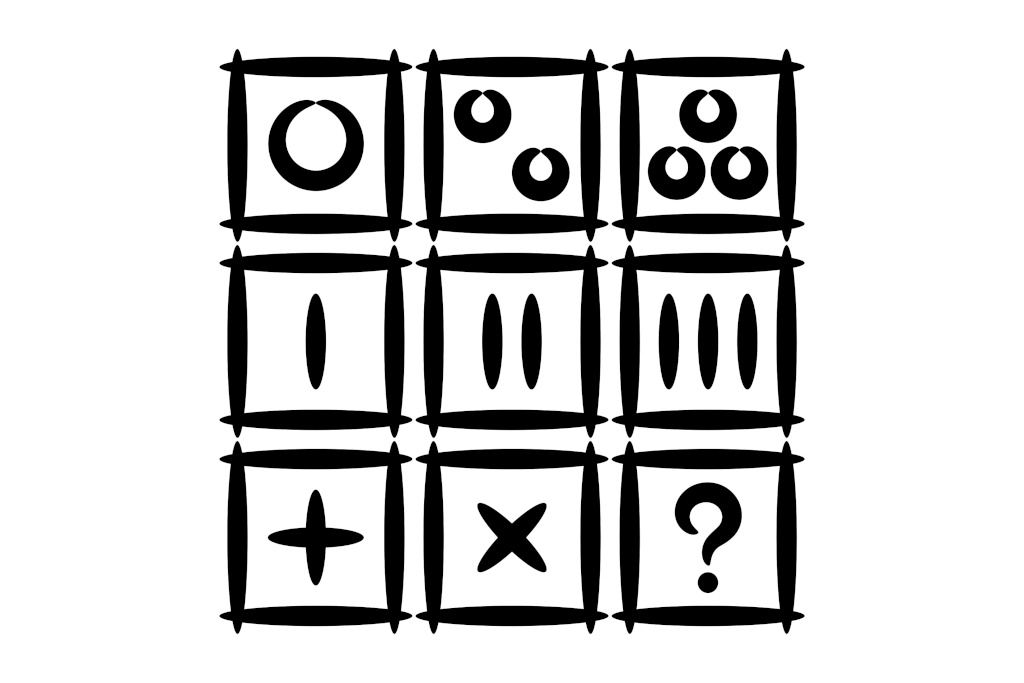
Every processor has a list of things that it can process. It limits the level of intelligence of your species, what kinds of puzzles are solvable or unsolvable for you in principle.
All complex tasks are combinations of several standard logical operations. Once you evolve enough to process those basic blocks, you should be able to solve all puzzles in the world.
Humans are already there. We aren't just smart monkeys, but one of the species with the maximum level of intelligence.
Looking from a more practical perspective, we may be interested in your personal smartness instead. How to use our hardware at its full potential? It's all about computing time and data.
Previously, we discussed DoS attacks and how an overloaded system can't process anything. If you try to pass an IQ test after a long night of doomscrolling followed by five lectures on calculus in a row with a quiet professor who writes like chicken scratch at the speed of light, you'll notice that even seemingly simple tasks just don't want to be solved.
This is why so many genius scientists work two hours per day and then go for a walk and smoke a pipe or something. You need to slow down and free computing resources to be efficient.
On top of that, we add knowledge. We can store information in our internal memory or add additional external hard drives.
There is a catch, of course. Data transfer is slow. When you extract data for real-time calculations from a library, you lose your efficiency once again. It's a compromise that allows us to solve fundamental problems with insane complexity, but it holds us back in simple everyday tasks.
If you want to be smarter than your neighbors with the same design in common real life scenarios, you need not only avoid overloads, but fill your own memory with facts, associations, rules, symbols, and develop your pattern-based intuition.
Classical IQ tests are supposed to reflect both the level of intelligence of your species and this personal smartness, but they tend to melt everything into "one number to rule them all" mess, and can't reliably distinguish temporary performance issues from severe brain damage that alters your internal design.
But even with these limitations in tests, we should expect that average smartness will decline in any consumer society where kids don't have enough computing resources to develop their memory graphs. Will it become a problem? Maybe. Maybe not. It depends on our collective goals.
Think for yourself.